




Cloud Identification in the Backcountry: Why Knowing Cloud Types Matters for Weather, Safety & Fire Forecasting in Canada 2026
In the Canadian backcountry, weather forecasts from your phone or radio often fail. Mountains block signals, valleys create microclimates, and remote areas see sudden changes that apps miss. That is why learning to read clouds is a critical bushcraft and survival skill. Clouds tell you what is coming hours or even a day ahead. They reveal wind shifts, approaching storms, and fire weather risks that can turn a calm day dangerous.
Clouds play a massive role in fire weather forecasting because they drive instability, lightning, and rapid drying. A single towering cloud can spark a wildfire or bring heavy rain that changes everything. Knowing the types helps you stay safe on trails, at camp, or during fuel reduction work.
Here are the key cloud types you will see in BC and across Canada, what weather they bring (including winds), and why they matter for backcountry decisions.
Cumulus Clouds: Fair Weather or Building Trouble
Puffy white clouds with flat bottoms usually signal stable, fair weather. They form on sunny days from rising warm air. In the backcountry they are common in the morning and mean good hiking or camp setup time.

Weather associated: Clear skies and light winds. Impact on campers, hikers, and bushcrafters: Perfect for hiking, setting up camp, or collecting firewood. You can dry gear, cook over an open fire, and enjoy long daylight hours. If they stay small and scattered, the day stays comfortable. Fire weather impact: Harmless alone, but if they grow taller and darker by afternoon, they can develop into thunderstorms with lightning ignitions.
Cumulonimbus Clouds: Thunderstorms and Lightning Risk
These are the massive, anvil-shaped storm clouds that tower high into the sky. They bring heavy rain, hail, strong winds, and frequent lightning.

Weather associated: Sudden downpours, gusty winds, and thunder. Impact on campers, hikers, and bushcrafters: These can end your day fast. Lightning forces you off ridges and open ground immediately. Heavy rain soaks tents, sleeping bags, and packs in minutes. Trails turn to mud, rivers rise, and visibility drops. If you see these building, seek shelter immediately and prepare for possible new fire starts. Fire weather impact: Lightning strikes are a leading cause of wildfires in Canada.
Cirrus Clouds: High and Thin Warnings
Wispy, feather-like clouds high in the sky often appear first when a weather front approaches. They are made of ice crystals and move quickly.
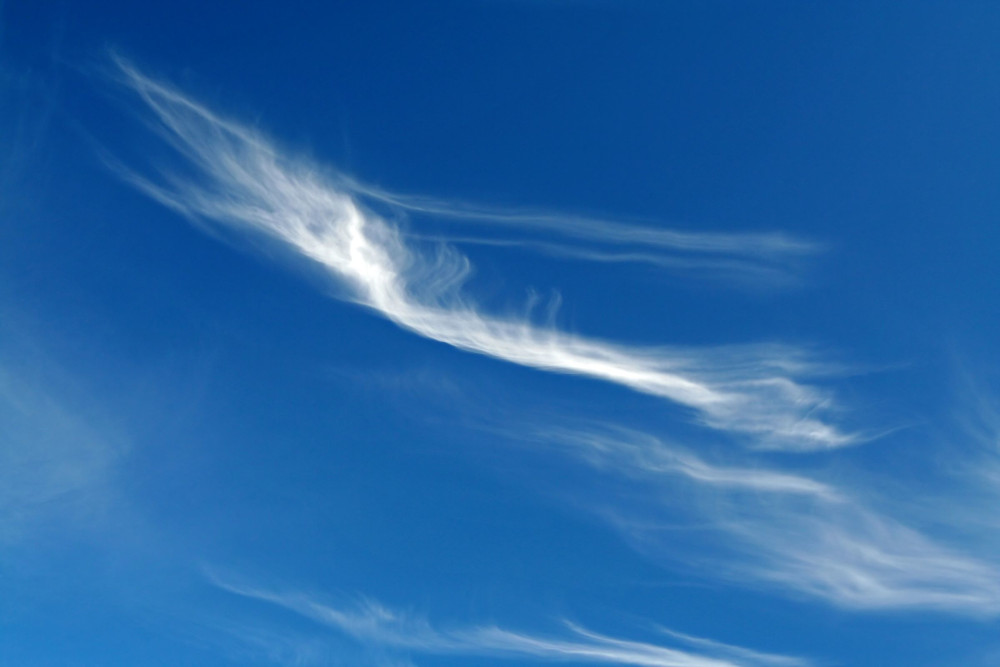
Weather associated: Usually indicate a change within 12-24 hours, often bringing stronger winds or rain. Impact on campers, hikers, and bushcrafters: These signal you need to prepare. Winds can pick up overnight, making tarps flap and tents less stable. Rain may arrive by morning, so stake your shelter well and store gear in waterproof bags. For bushcrafters, it means gathering extra firewood now before it gets wet. Fire weather impact: High cirrus can signal dry, stable air that promotes rapid fuel drying and increased fire spread.
Lenticular Clouds: Strong Winds in Mountains
Lens-shaped or stacked clouds that sit stationary over mountain peaks. They form when strong winds blow over ridges.

Weather associated: High winds and turbulence on the ground. Impact on campers, hikers, and bushcrafters: Exposed ridges and passes become dangerous with sudden strong winds. Tents can tear, gear can blow away, and hiking on open terrain feels risky. Camp in sheltered valleys or behind natural windbreaks if you see these forming. Fire weather impact: These mean gusty conditions that can push fires faster and make spotting embers unpredictable. Avoid exposed ridges if you see them.
Pyrocumulus Clouds: Fire-Generated Weather
These massive clouds rise directly from large wildfires. They look like thunderstorms but are caused by intense heat.
Weather associated: Can produce lightning, strong downdrafts, and fire whirls. Impact on campers, hikers, and bushcrafters: Spotting these from a distance tells you a major fire is active nearby. Winds and downdrafts can spread smoke and embers quickly, affecting air quality and visibility. Plan evacuation routes and monitor wind direction. Fire weather impact: Fires literally create their own weather, spreading faster and starting new spot fires miles away.
Stratus and Nimbostratus Clouds: Steady Rain and Low Visibility
Low, gray blanket clouds that cover the sky often bring light drizzle or steady rain. Nimbostratus versions are thicker and produce more precipitation.
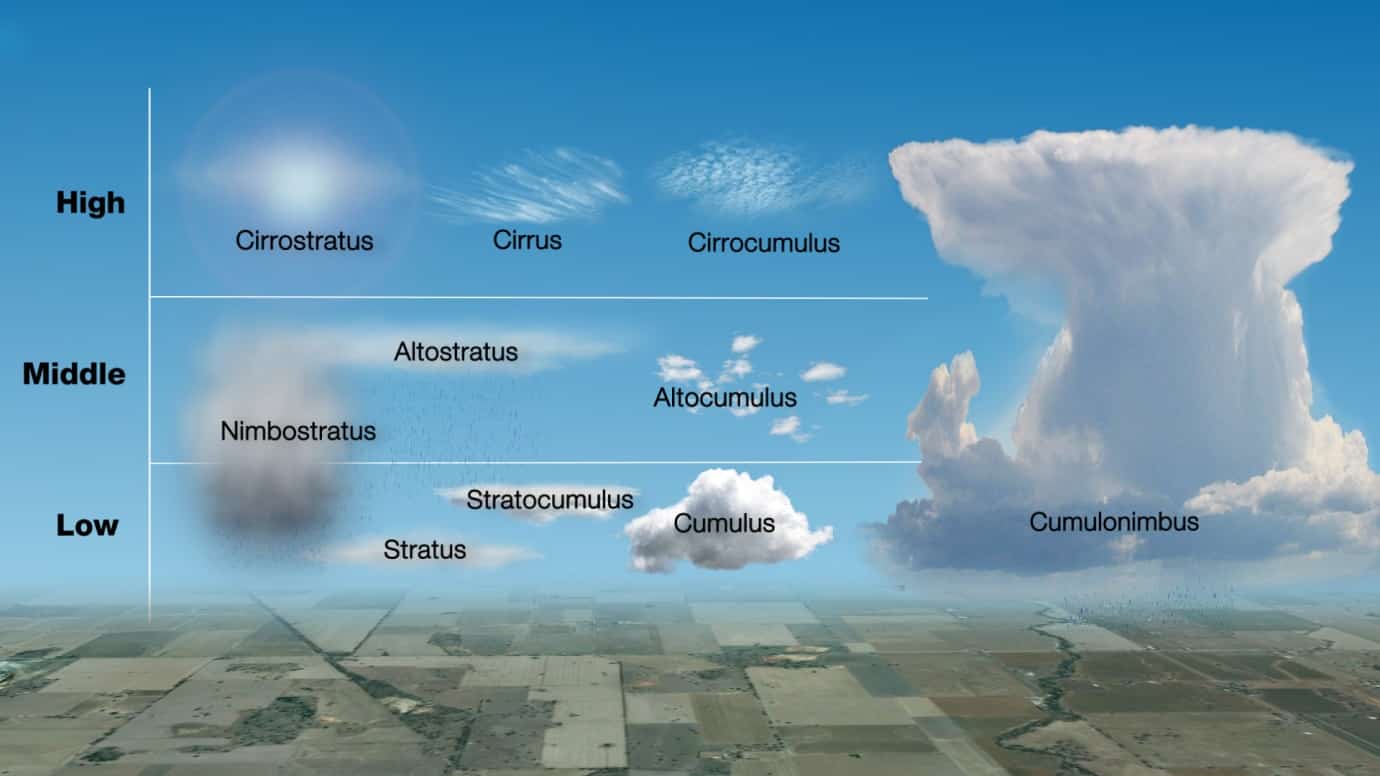
Weather associated: Damp, cool conditions with poor visibility. Impact on campers, hikers, and bushcrafters: Everything stays wet. Tents leak if not sealed, sleeping bags lose insulation when damp, and fires are hard to start or maintain. Trails become slippery and muddy, increasing fall risk. Navigation gets tougher in fog, so stick to known routes and use a compass or map. Fire weather impact: Good for reducing fire danger through moisture, but they can mask smoke from distant fires and make navigation harder.
How to Use Cloud Knowledge in the Backcountry
- Scan the sky every morning and afternoon. Note direction, height, and movement.
- Combine with wind direction and humidity for better predictions.
- In fire season, watch for rapid vertical growth or unusual smoke columns.
- Pair this skill with a good headlamp for early morning or dusk observations when clouds change quickly.
At Axeman.ca we stock tools that support safe backcountry travel when clouds turn the weather against you. Fenix headlamps give clear visibility in low light or rain, while Silky saws and Hultafors axes let you quickly build emergency shelter or clear a safe area.
Shop essential backcountry gear:
- Fenix Headlamps: https://axeman.ca/collections/fenix
- Silky Saws: https://axeman.ca/collections/saws
- Hultafors Axes: https://axeman.ca/collections/hultafors
What cloud types have you noticed changing the weather on your trips? Have you seen pyrocumulus or lenticular clouds in the backcountry? Drop your stories or questions in the comments.
Stay observant and stay ready.


Leave a comment (all fields required)